How can we help?

 Oak Valley
 Oak Valley


Flower Farming for the Future

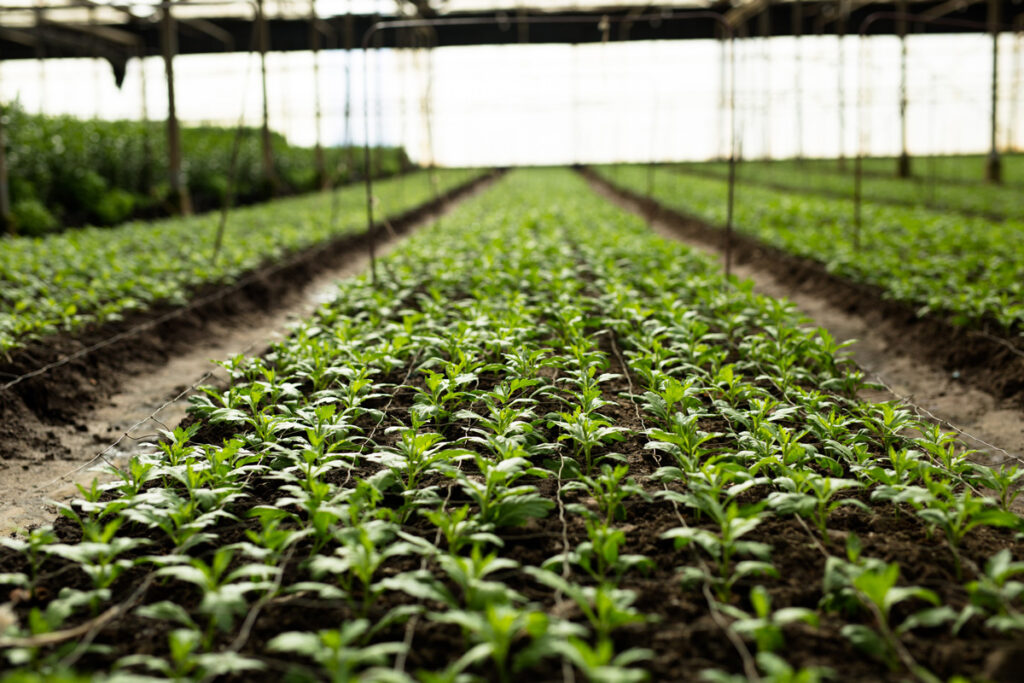
Established in 1978, our flower business now covers 16 hectares, including greenhouses, shade houses, and open fields. We’re located far from the Multiflora auction floor in Johannesburg so in order to service the needs of the Cape market we grow and offer a wide variety of flowers.
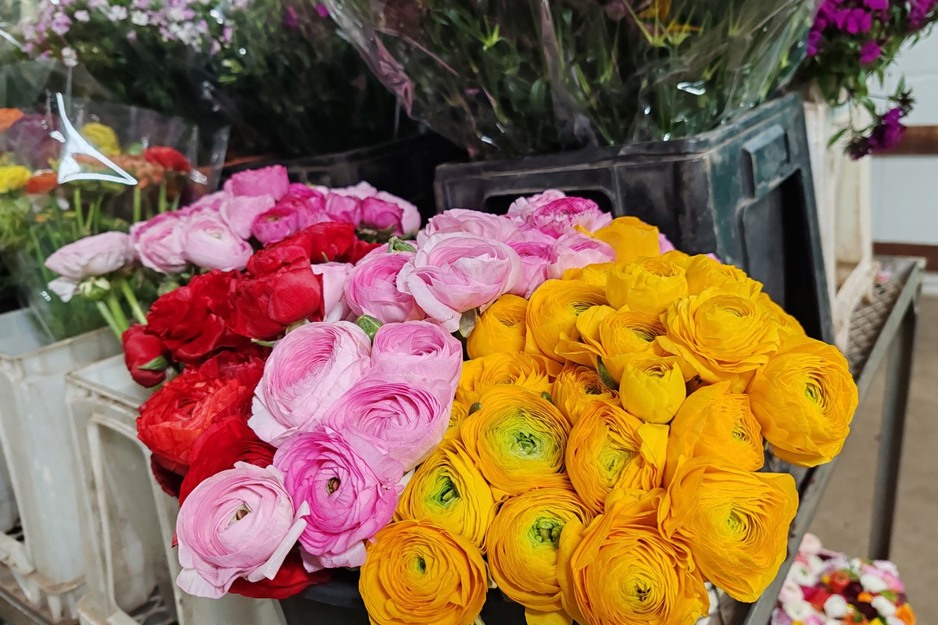
This has led us to grow over 40 different flower types, of which some have more than 40 varieties within a type.
Ruhan von Wielligh, General Manager of Oak Valley Flowers, oversees the production of chrysanthemums, liliums, alstroemeria, a long list of seasonal flowers and greenery. We grow 75% of the total flowers we sell, with roses, carnations, gerberas and indigenous covering the remaining 25% that is bought in.
Plant material is imported from Kenya, Uganda, Italy and the Netherlands. The plant material is of a very high standard and backed by reputable breeders including Royal van Zanten, Konst, Danzinger, Dummen Orange, Deliflor, and more.
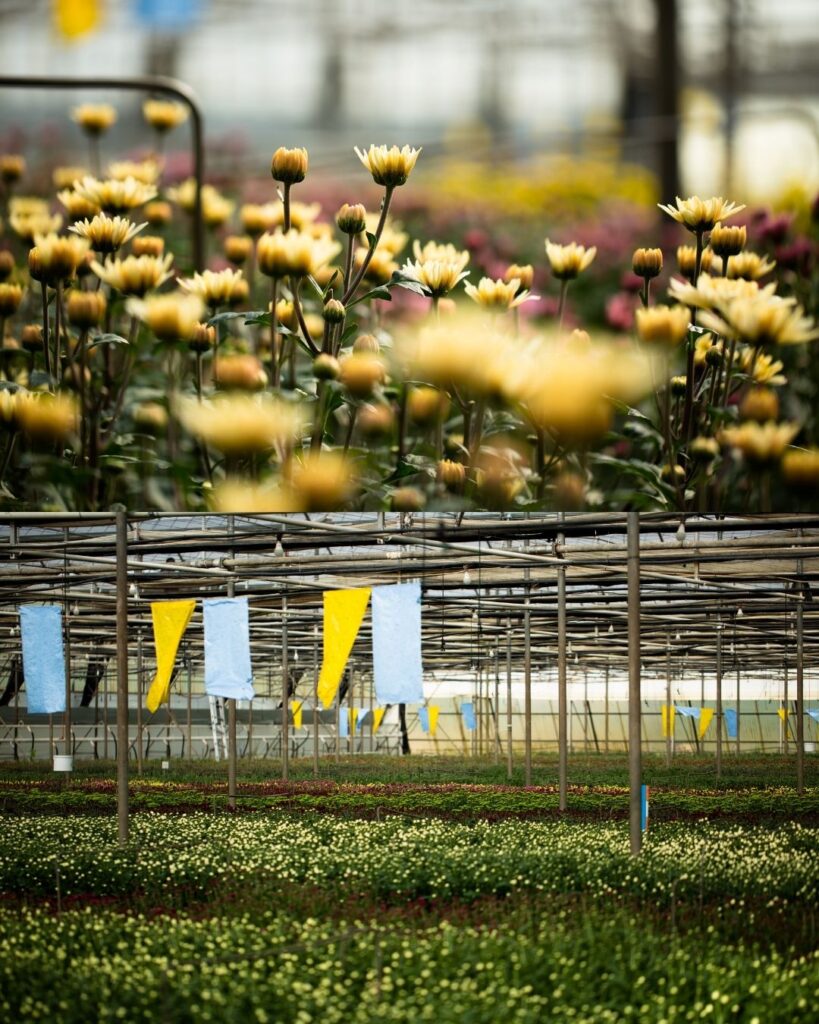
Over the years, we’ve been striving to grow flowers with as little harmful pesticides and other chemicals as possible. The main challenge is the control of the insect thrips as it acts as a vector for viral diseases. The surrounding agricultural practices including fruit, wheat, and canola farming, increase the natural thrips population, making it more of a challenge.
Woolworths is our largest client, a relationship that started in 1986 when Oak Valley supplied the very first cut flowers into SA retail. We also supply around 80% of the florist market in the Cape.
Woolworths has a Farming for the Future assessment, which presents an opportunity to work together to implement a more sustainable growing approach. The main focus is on soil health and water use on farms, while also encouraging the use of biological pest controls. In all aspects, Oak Valley is a top performer.
Flowers are harvested on clean water, bunched and placed on product-specific post-harvest treatments and then dispatched on a transport solution to the customer.
We adhere to a strict cold chain protocols to maintain optimal quality. Florist deliveries are made overnight using refrigerated trucks, ensuring that florists receive fresh stock before the start of their day.
Climatic challenges are most prominent in winter, with low night temperatures, strong winds, and rain. Proximity to the Groenlandberg mountain range also reduces sunlight hours during this season. Due to the high energy costs, assimilation lights are not used.
A significant portion of seasonal crops are cultivated in unheated “rain cover” greenhouses, where protection from wind and rain is essential. Summer crops have a turnaround cycle of about 12-14 weeks, while the same crops taken nearly 22 weeks to mature in winter. Proper planning is necessary to prevent these delays from affecting supply consistency.
I could go on and on…but was under strict instructions to keep it short and punchy. I hope we imparted a little wisdom into what it takes to grow flowers commercially!
Yours faithfully,
Jorisna Greyvenstein,
Sales Manager, Oak Valley Flowers